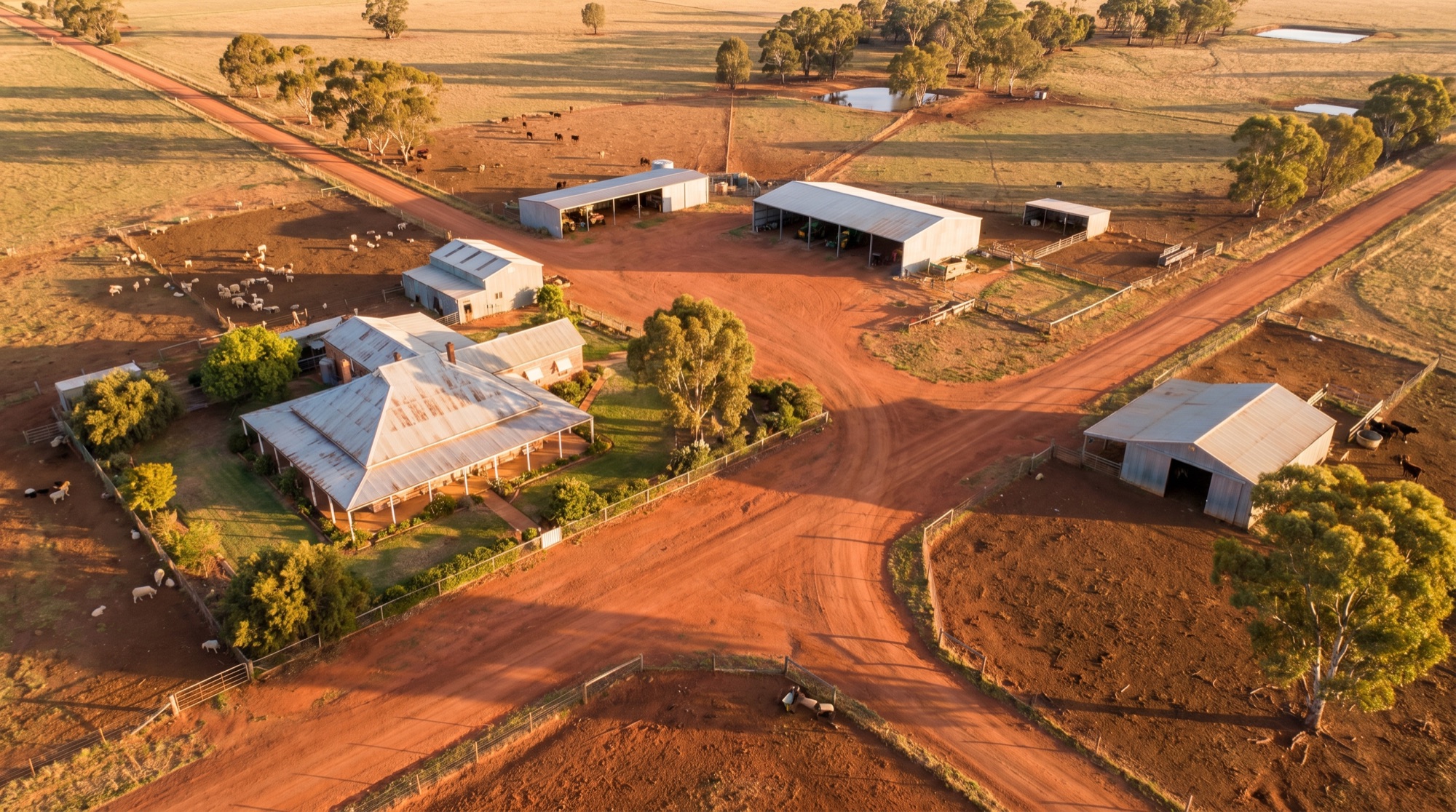

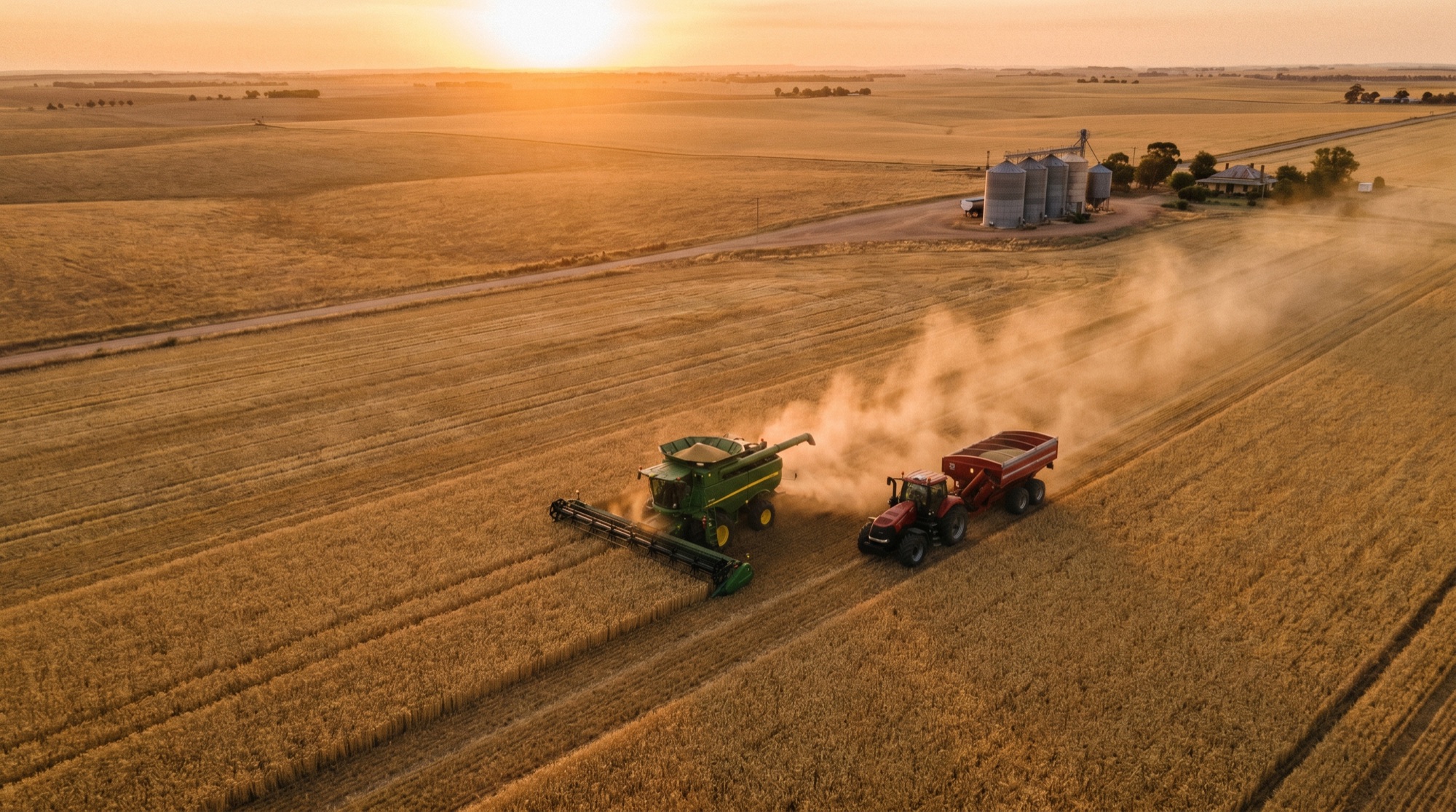
Many factors might affect a farmer's success, from the quality of the soil to the timing of the rainy season. For instance, farmers who plant cereals and legumes rely on the first rains to soak the soil before tilling. This encourages the growth of weeds, which must be eradicated before the grains can be planted without damaging the quality of the soil.
They need consistent precipitation throughout the growing season, followed by warm, sunny weather so the plants can mature. The final step in the ripening process throughout the Summer requires good rainfall, followed by lovely sunny days. The process as a whole is dangerous because of all the different factors that could affect it.
By making just a few small adjustments to farming practices, farmers can significantly increase their income and profit margins.
1. Diversify your crop planting
It is easy for farmers to get stuck in a cycle of growing only one sort of crop year after year. If the crops do not flourish, the likelihood of failure rises. Planting a wide array of crops rather than just one type of plantation gives farmers more security. Choose plants that will fetch a good price in your neighbourhood.
2. Abattoirs and the keeping of animals
Animal husbandry provides farmers with a stable secondary income and is a great way to diversify their business. Farming endeavours that include raising animals, such as sheep, can be quite lucrative. When compared to plantation farming, dairy farming is a much more viable option.
The usage of livestock guard dogs and cattle herding dogs can provide a little bit of extra assistance when needed. These canines are of the working breed and will perform a great job of herding your livestock and protecting your poultry, swine, and goats from harm. In addition to protecting the barn and feed store from rats, they are also effective at protecting livestock.
3. Rent state-of-the-art equipment
Less human effort is required because of improved machine utilisation. This will save you time, allowing you to tend to more fields and generate more revenue. Leasing equipment is an option if you cannot afford to buy it outright.
4. The move towards high-value crops
Compared to high-yielding winter rice, high-value crops deliver greater nett returns per hectare to the farmer. Hybridised varieties of corn, potatoes, vegetables, spices, and fruits may be among these. Consequently, changing output towards these crops can help raise income automatically.
Also, consider the local diet to see if your produce will sell quickly.
5. Intensify cropping efforts
The frequency with which a crop is cultivated in a certain agricultural region each year is measured by its "cropping intensity". Essentially, it measures how much of a crop can be collected without actually increasing the size of the field.
The greater the planting window, the more of the produce will grow and the higher your income will be. In other words, you should never let your field go fallow.
6. Obtain a field rental
Instead of letting the unused property sit fallow for months, consider leasing it out to a willing tenant if you aren't planning to sow crops that season. While the vacant land isn't contributing anything to your bottom line, this new endeavour could prove to be quite lucrative.

7. Lowering the price of farming
Unfortunately, many farmers do not grasp this concept until it is far too late. Some farmers may apply excessive amounts of fertiliser in the vain hope that doing so will boost crop yields. Aside from being false, this is dangerous because it raises the possibility of crop illnesses.
In the case of rice cultivation, for instance, nitrogen fertiliser is crucial and must be administered multiple times throughout the growing season to ensure adequate supply during the crucial growth stage. The degree of greenness in a rice leaf is a good indicator of the plant's nitrogen levels. By understanding the leaf colour chart, you may decrease fertiliser costs and save the plant by applying only the right amount of nutrients.
8. The mitigation of post-harvest losses
One of the most significant causes of decreased crop production is damage that occurs after harvest, when the farmer has already invested a great deal of time, energy, and resources into the harvest. Because of the potential for losses of up to 80% of the total harvested crop, proper planning of storage is essential. Make sure the storage area's humidity is just right and use insecticides to protect the crop from vermin so that it sustains minimal harm during post-harvest storage.
9. Boosting production
Increasing a farm's yield is a tried and true method for boosting profits.
Even so, there is a plethora of options for accomplishing this. Starting with disease-resistant plant species will help ensure your garden stays healthy and productive. Choosing a high-yielding crop or a crop variety that thrives in the soil or climate can also have a significant effect on harvest success.
The time it takes for the crop to mature is also crucial. In areas where water is scarce, it may not be practical to grow crops that take a long time to mature. Instead, you should plant something that grows quickly.
Simple things like weed control can have a significant impact on crop productivity, but many farmers miss them. Proper timing is also essential when applying fertilisers and herbicides. Timing the sowing and harvesting of crops is crucial, as these need little monetary investment but are nonetheless crucial.
The timely provision of irrigation is also crucial, as it shortens the growing season and boosts crop yields.
10. By educating more people
One can always acquire new knowledge and skills. Farmers nowadays would do well to make it a habit to stay abreast of the latest advancements in agriculture technology. They can learn a lot more about this topic by reading the plethora of resources available online. Don't forget the importance of checking with reputable sources.
This brings us to the conclusion that: Environmental conditions like droughts, floods, and fires affect the price of the harvest, which in turn affects their revenue.
Even though the farmer puts in a lot of hours, their pay ultimately comes down to factors beyond their control, such as the state of the environment and the state of the worldwide market for their products. Commodity prices around the world are set based on how much of a given crop is grown around the world. If it's too high, then prices can drop to rock bottom.
It is difficult for farmers to increase their revenue due to the high number of moving parts and intense competition in the agricultural industry. But with the right understanding and application, it can be useful to him in the long run.